
Preliminary Programme Friday 10 October ELITE Palace Hotel
11:30 Registration opens
11:30
Registration opens
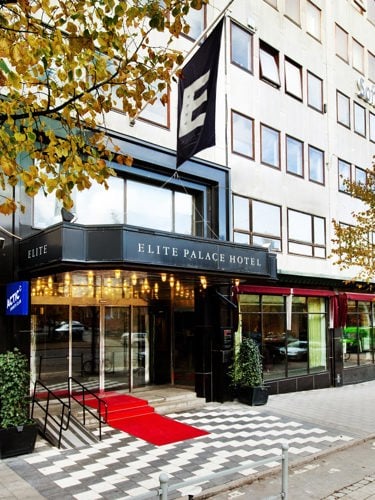
Welcome to our registration desk when you arrive at ELITE Palace Hotel.
Please bring your e-mail confirmation for your participation.
You are required to wear your conference badge all day for security purposes.
12:00 Lunch
12:00 – Restaurant
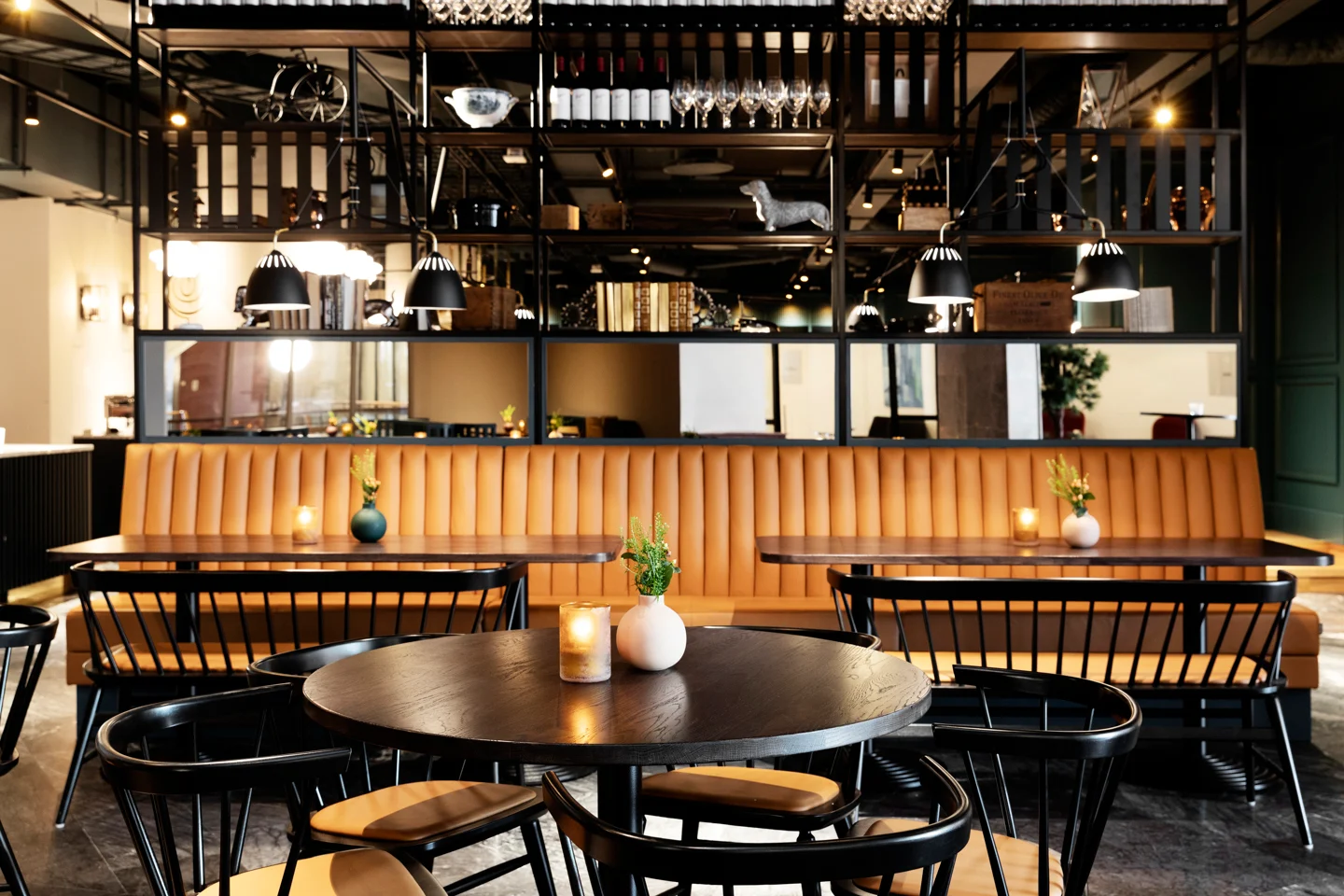
Lunch is served in the Restaurant
13:00 Welcome to Transplantation Forum
13:00 – Vasasalen
Welcome to Transplantation Forum
Welcome by Mattias Hellström, FOKUS Patient & Citizens Affairs
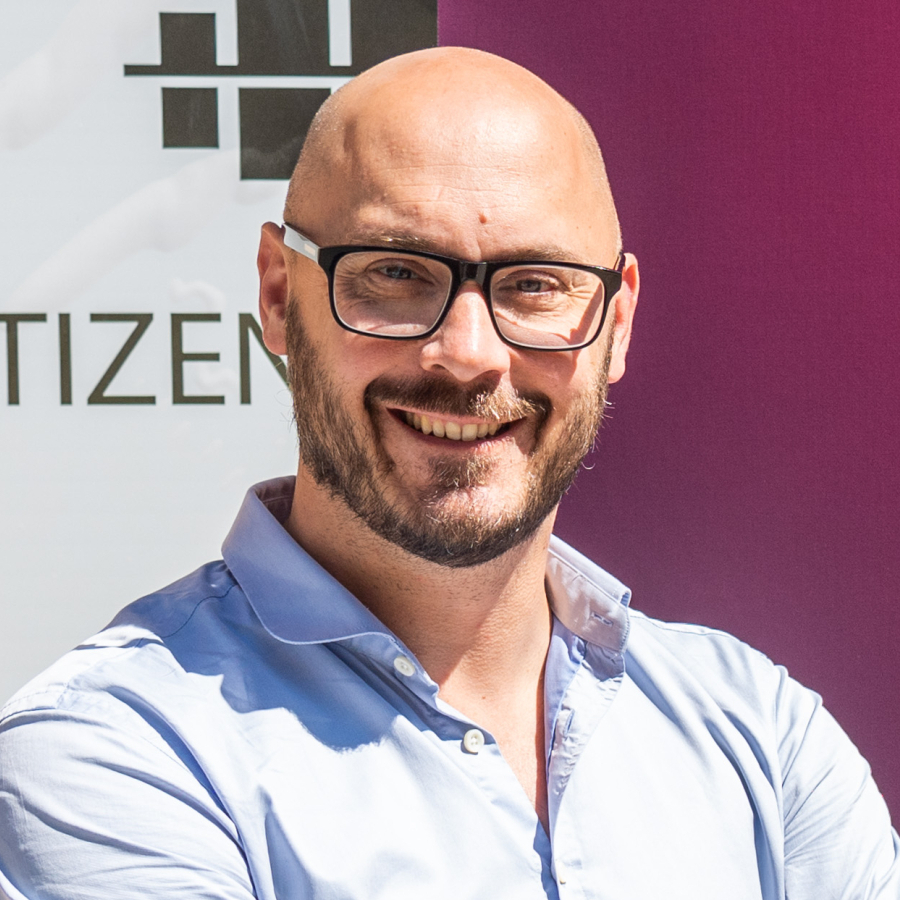
Mattias Hellström
FOKUS Patient & Citizens Affairs
FOKUS Patient & Citizens Affairs
13:05 Keynote speaker - Ethics in transplantation
13:05 – Vasasalen
Keynote speaker – Ethics in transplantation
Ethical dilemmas arrive in all shapes and sizes, and can affect many domains: health/medicine, research, business, career, finance, and family. How do deal with all that?
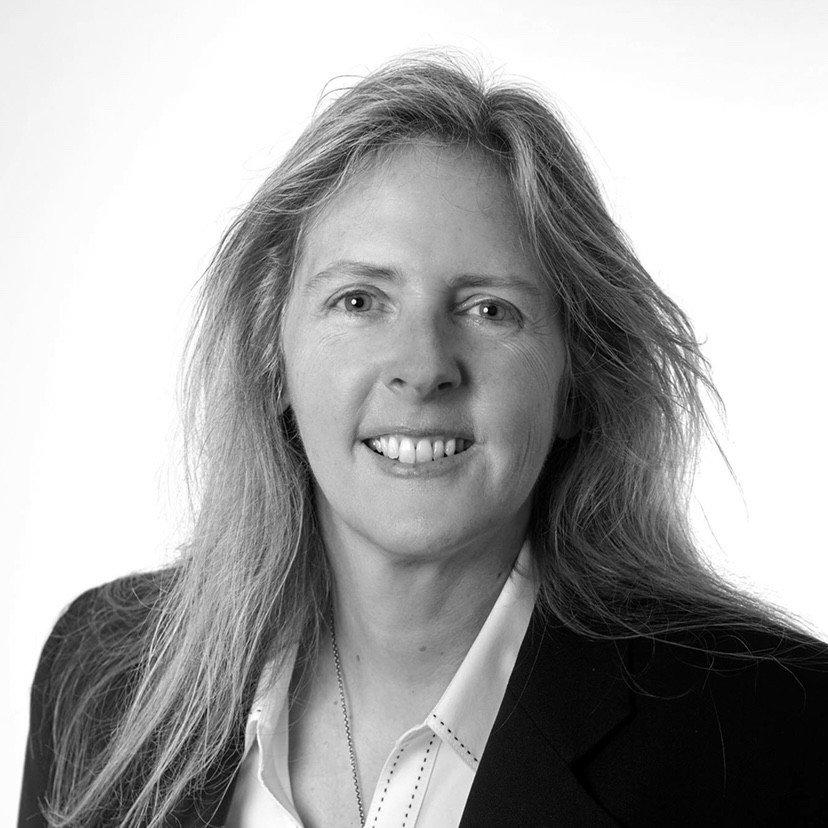
Katrina A. Bramstedt
Global Head of Bioethics at Roche, Professor (adjunct), Queensland University of Technology School of Medicine. She is an internal and external ambassador for bioethics and the Chair of the Roche Scientific Ethical Advisory Group (SEAG). She is also a member of The Transplantation Society Ethics Committee.
Global Head of Bioethics at Roche, Professor (adjunct), Queensland University of Technology School of Medicine. She is an internal and external ambassador for bioethics and the Chair of the Roche Scientific Ethical Advisory Group (SEAG). She is also a member of The Transplantation Society Ethics Committee.

Moderator: Thomas Straumits
Client Executive Business Development, EY, Sweden
Client Executive Business Development, EY, Sweden
13:20 Panel discussion - International views on donation & transplantation
13:20 – Vasasalen
Panel discussion – International views on donation & transplantation
Research and development is an on-going process within transplantation, medtech and drugs to improve results of treatments and to reduce the need of a lifelong immunosuppression. It’s a trend towards more individualized medication and a better follow-up of patients after a transplant through more effective drugs with less side effects and less risks for rejection. But reserach has also been going on for a long time to be able to transplant organs from animals to humans (so called Xeno transplants) and to create organs-on-a-chip etc.
This is an area which takes time and where it is – in general – not so many companies or others in reserach who are working in this field. How will people already transplanted be able to get more effective treatments and how will people in need of transplants get increased chances?
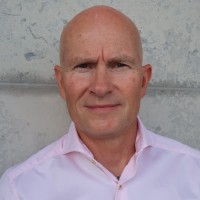
Jan-Olov Sandberg
Medical Manager, Roche Sweden. Ass. Professor, Medical Cell Biology
Medical Manager, Roche Sweden. Ass. Professor, Medical Cell Biology
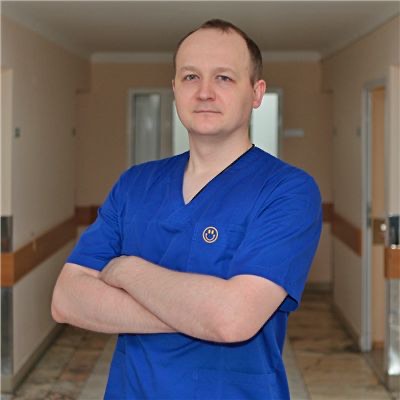
Dr Oleksii Voroniak
Shalimov National Scientific Center of Surgery and Transplantation, Ukraine
Shalimov National Scientific Center of Surgery and Transplantation, Ukraine
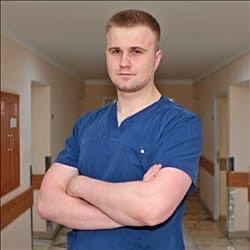
Dr Dmytro Kostiuk
Shalimov National Scientific Center of Surgery and Transplantation, Ukraine
Shalimov National Scientific Center of Surgery and Transplantation, Ukraine
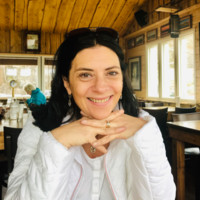
Dr Fernanda Ortiz
Adjunct Professor, Nephrologist and Clinical Researcher in kidney transplantation, Helsinki University Hospital, Finland. ESOT – European Society of Organ Transplantation – EKITA board member
Adjunct Professor, Nephrologist and Clinical Researcher in kidney transplantation, Helsinki University Hospital, Finland. ESOT – European Society of Organ Transplantation – EKITA board member
Clara Hjalmarsson
Senior Consultant & Associate professor of Thorax and Cardiology, Sahlgrenska University Hospital, Gothenburg, Sweden. Representating ISHLT – International Society for Heart & Lung Transplantation
Senior Consultant & Associate professor of Thorax and Cardiology, Sahlgrenska University Hospital, Gothenburg, Sweden. Representating ISHLT – International Society for Heart & Lung Transplantation
Moderator: Hanna Brodda
Mediefy
Mediefy
13:55 Break
13:55
Break
14:05 Parallel seminars
14:05
Parallel seminars
Vasasalen
Donation, how does it work?
Organ donation after death might be the most well-known way of donation by the public. But there are other types of donation as well as different ways to donate, which this seminar will present.
Speakers from different areas of donation will tell us more how this works.
Living donors – Gabriela Brandén
MOD – Mer organdonation
MOD – Mer organdonation
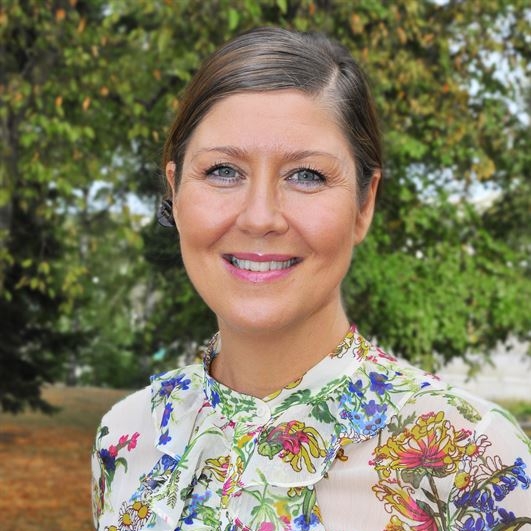
Donation of tissues and organs – Linda Gyllström Krekula
Manager, The Regional Donation Center Stockholm-Gotland, Sweden
Manager, The Regional Donation Center Stockholm-Gotland, Sweden

Sofia Segergren
Secretary General, The Swedish Blood Cancer Association
Secretary General, The Swedish Blood Cancer Association
Moderator: Hanna Brodda
Mediefy
Mediefy
(In Swedish)
Dalasalen
Strengthen organ donation to increase life saving transplantation
The first National action plan for organ- and tissue donation and the national digital guideline for organ donation, Donationsguiden, will be useful tools to act more strategic in healthcare in Sweden.
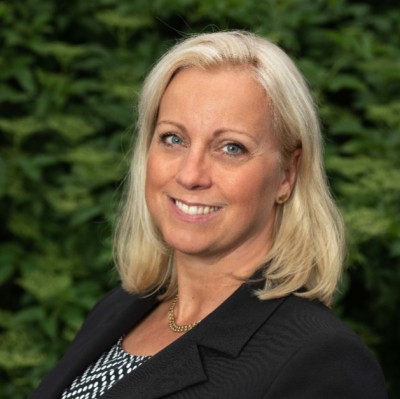
Dr Anna Aldehag
Head of Unit, National Donation Center and The Scientific Board of The National Board of Health and Welfare
Head of Unit, National Donation Center and The Scientific Board of The National Board of Health and Welfare
Moderator: Petra Eurenius
(In English, but also in Swedish at kl.16.05)
14:50 Break
14:50
Break
15:00 Parallel seminars
15:00
Parallel seminars
Vasasalen
What do healthcare and society know in general about being transplanted?
Many people are positive to donation, especially organs, but few seems to know what happens after a transplantation. Common remarks are like “now everything will go back to normal” or “do you really have to take pills all your life?” To go to the GP or the Accident & Emergency Department usually demands for the patient to be able to speak for him/herself or their family member due to the fact that the knowledge about immunosuppressive treatments normally is not that great.
How will the future look like when more transplanted persons getting older, with all other diagnoses that comes with age or because of all kind of treatments during the years? Do the elderly care have the knowledge needed to take care of them?
Panel discussion with representatives for primary care, emergency medical care, elderly care and patients.
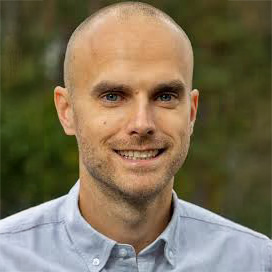
Andreas Stomby
President, The Swedish Association of General Practice. Associated Professor in General Practice.
President, The Swedish Association of General Practice. Associated Professor in General Practice.
Lars Fritzell
Member of the Board, The National Patient Organisation VIKING – for heart-lung transplanted, Sweden. Lungtransplanted, Cystic Fibroses.
Member of the Board, The National Patient Organisation VIKING – for heart-lung transplanted, Sweden. Lungtransplanted, Cystic Fibroses.
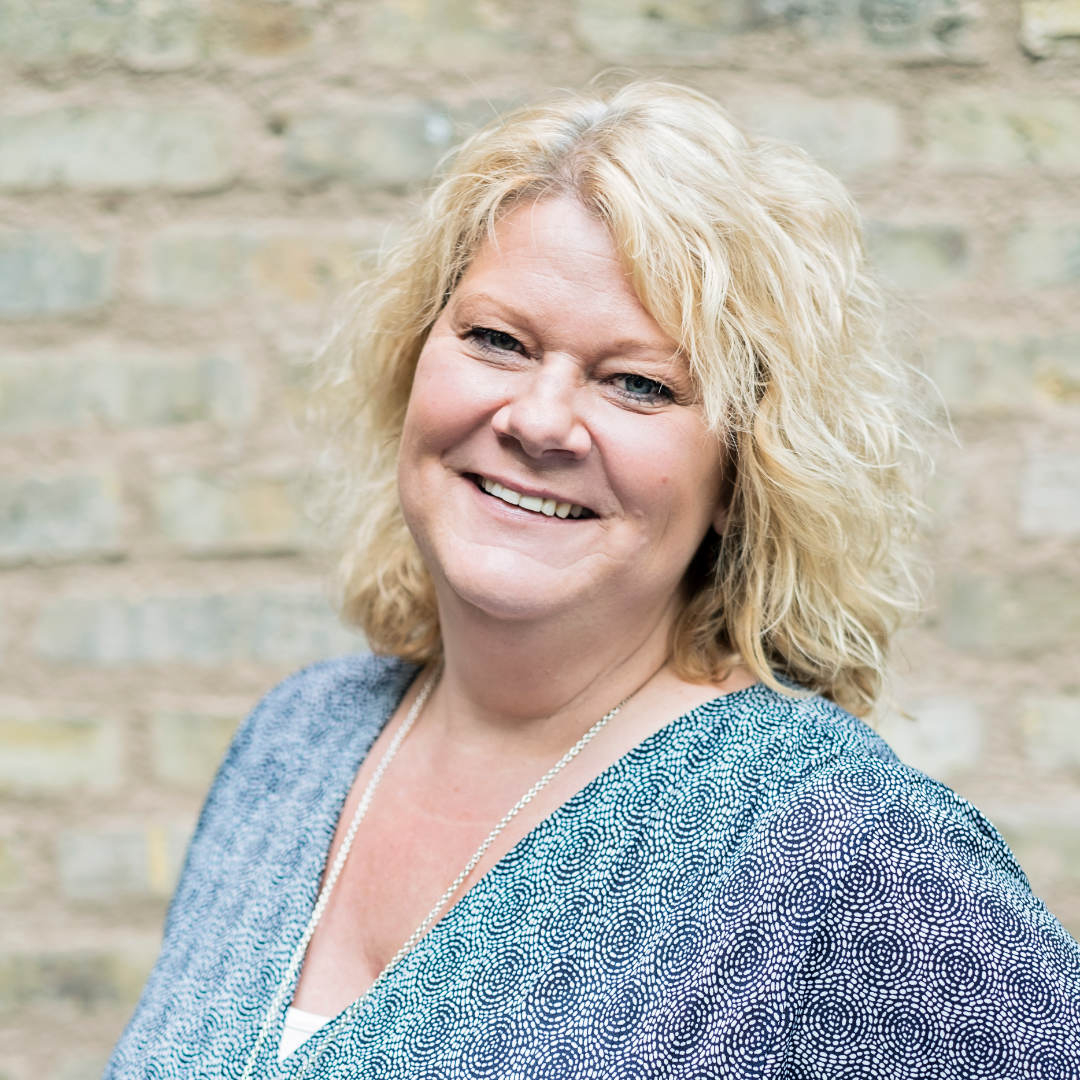
Gunilla Ivarsson
Secretary General, Jontefonden, Sweden
Secretary General, Jontefonden, Sweden
Moderator: Hanna Brodda
Mediefy
Mediefy
(In Swedish)
Dalasalen
Infections, virus and other diseases after a transplantation
After a transplantation, the immune defence sees e.g the new organ as something foreign and can try to reject it. With immune suppressive treatment, which is a life-long treatment that push down the immune defence, the risks for rejection are reduced. But it can also be side effects and not the least an increased risk for bacterias, virus and diseases like cancer, diabetes and cardiovascular events.
How should we deal with this as patients, HCPs or in school and the workplace when these risks – especially in winter time – or in general when it comes to life style, antiobiotics treaments and our own impact?
Joakim Dillner
Professor Infectious Disease Epidemiology, Karolinska Institute & Head of Section for Molecular Cancer Diagnostics & Screening; Pathology and Cancer Diagnostics, Karolinska University Hospital, Sweden
Professor Infectious Disease Epidemiology, Karolinska Institute & Head of Section for Molecular Cancer Diagnostics & Screening; Pathology and Cancer Diagnostics, Karolinska University Hospital, Sweden
Dr Fernanda Ortiz
Adjunct Professor, Nephrologist and Clinical Researcher in kidney transplantation, Helsinki University Hospital, Finland. ESOT – European Society of Organ Transplantation – EKITA board member
Adjunct Professor, Nephrologist and Clinical Researcher in kidney transplantation, Helsinki University Hospital, Finland. ESOT – European Society of Organ Transplantation – EKITA board member
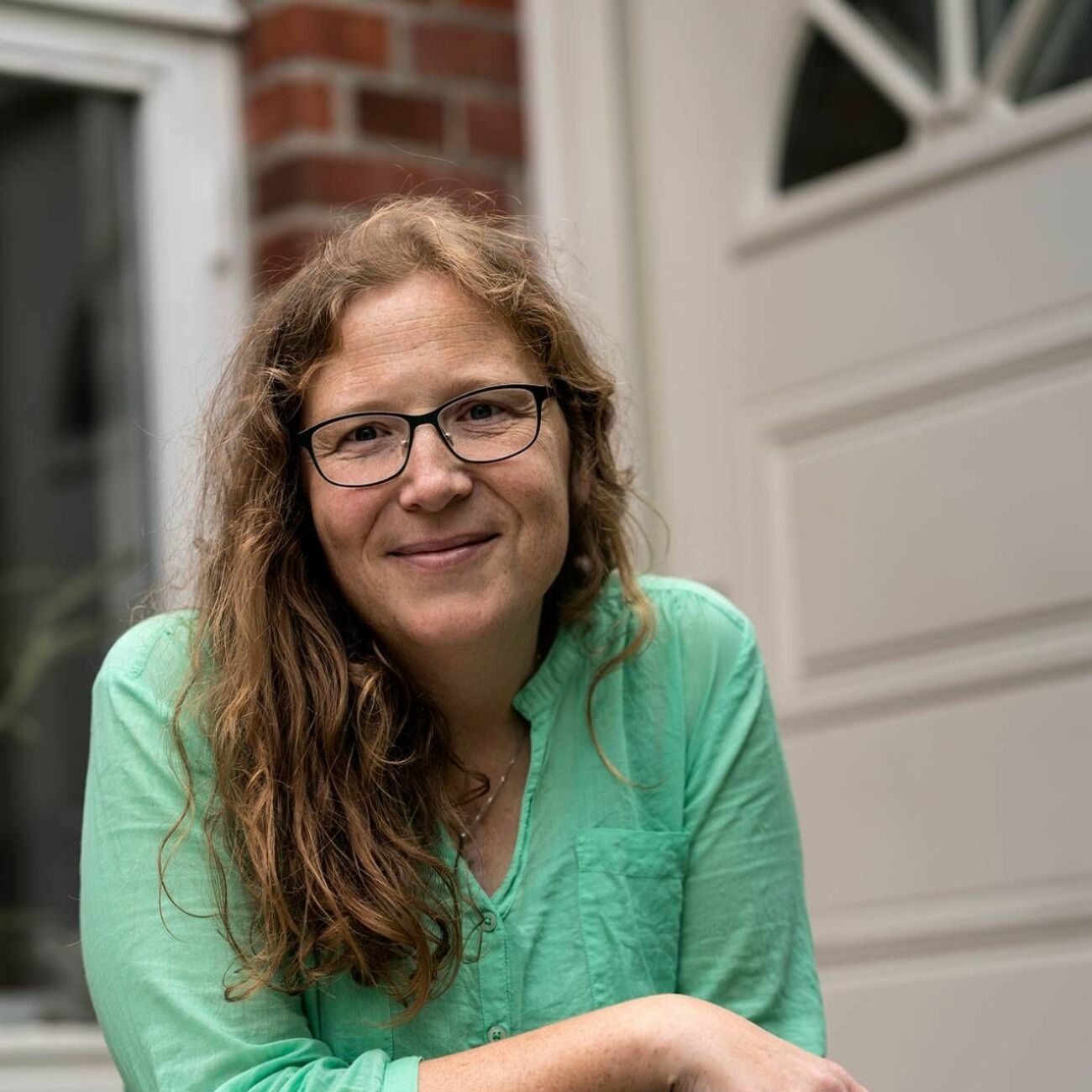
Kathleen Pade
President for the Transplant Club in Denmark. She and her son are both heart transplanted and have participated in a project about CMV – cytomelagovirus
President for the Transplant Club in Denmark. She and her son are both heart transplanted and have participated in a project about CMV – cytomelagovirus
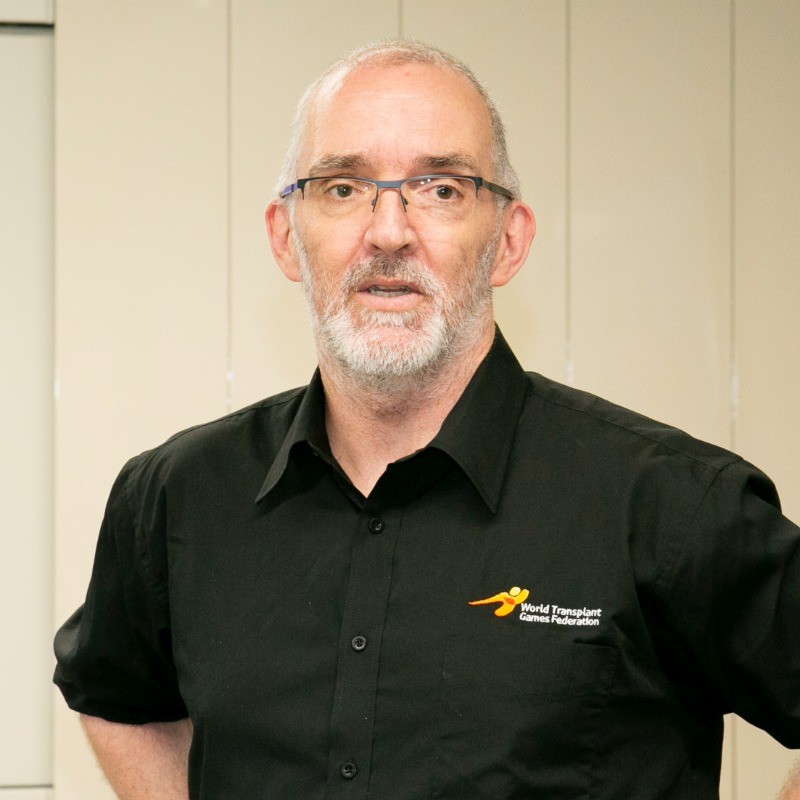
Moderator: Colin White
National Advocacy & Projects Manager, The Irish Kidney Association
National Advocacy & Projects Manager, The Irish Kidney Association
(In English)
15:45 Coffee Break
15:45 – Restaurant
Coffee Break
Coffee break during the afternoon.
16:05 Parallel seminars
16:05
Parallel seminars
Vasasalen
Att stärka organdonation för att öka livräddande transplantationer
For many patients, a transplantation is a life saving treatment. For others, it can improve health and quality of life. The National action plan for organ- and tissue donation includes the entire donation process – from identification of a potential donor to transplantation. The action plan is limitied to deceased donors. Basis prerequisites and actions needed are, amongst others, highlighted. Another supporting tool, the national digital guideline for organ donation, Donationsguiden, is useful in the donation process. The guideline includes medical and legal information as well as some practial advice and contact details.
Dr Anna Aldehag
Head of Unit, National Donation Center and The Scientific Board of The National Board of Health and Welfare
Head of Unit, National Donation Center and The Scientific Board of The National Board of Health and Welfare
Moderator: Petra Eurenius
(In Swedish, but also in English at 14:05)
Dalasalen
Clinical studies in Sweden in the transplant area
Clinical studies with high numbers of patient participation are increcibly important to enable new treatments, methods and products. In this seminar we will listen to examples of two on-going studies in the area of transplantation in Sweden and how you as a patient can be included in future studies:
1) The SOULMATE-study, if a liver transplant can contribute to increased survival for patients with spread colorectal cancer as an addition to chemo-therapy.
2) Observation study if a blood sample can replace heart biopsies with heart transplanted patients to exclude rejection.
Dr Michael Melin
Senior consultant and operations manager Cardiology, Södersjukhuset, Stockholm
Senior consultant and operations manager Cardiology, Södersjukhuset, Stockholm
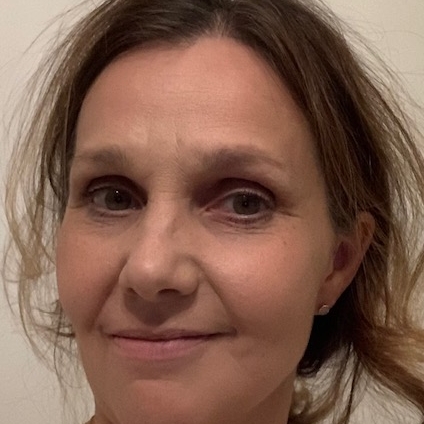
Dr Veronica Reivell
Senior Consultant/Transplantation Surgeon, The Transplantation Center at Sahlgrenska University Hospital, Gothenburg, Sweden
Senior Consultant/Transplantation Surgeon, The Transplantation Center at Sahlgrenska University Hospital, Gothenburg, Sweden
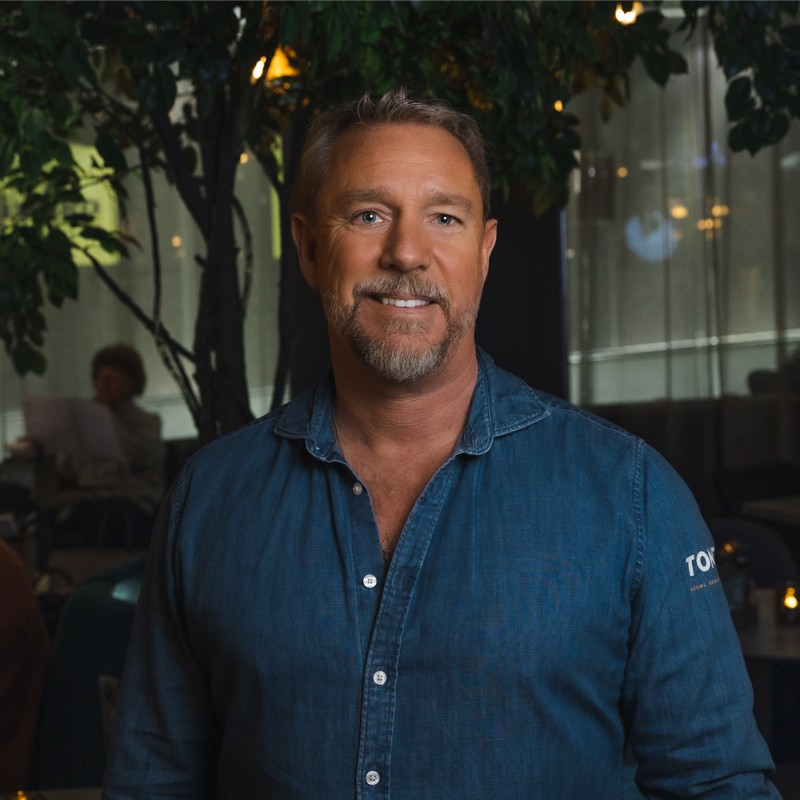
Tony Holm
President, The Swedish Cancer Coach Association, participant in the clinical study
President, The Swedish Cancer Coach Association, participant in the clinical study
Moderator: Hanna Brodda
Mediefy
Mediefy
(In English)
16:50 Break
16:50
Break
17:00 Panel discussion - How do we create a good quality of life when waiting for, and after a transplantation?
17:00 – Vasasalen
Panel discussion – How do we create a good quality of life when waiting for, and after a transplantation?
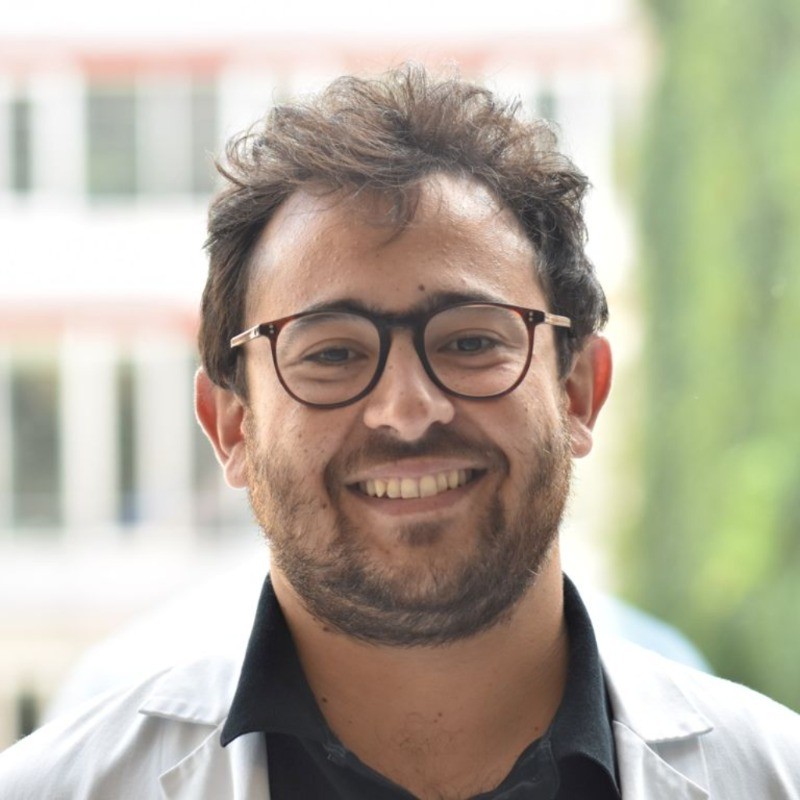
Alberto Benazzo
Consultant thoracic surgeon, Surgical Director of Vienna Lung Transplant Program, Head of lung transplant research Lab, Austria
Consultant thoracic surgeon, Surgical Director of Vienna Lung Transplant Program, Head of lung transplant research Lab, Austria
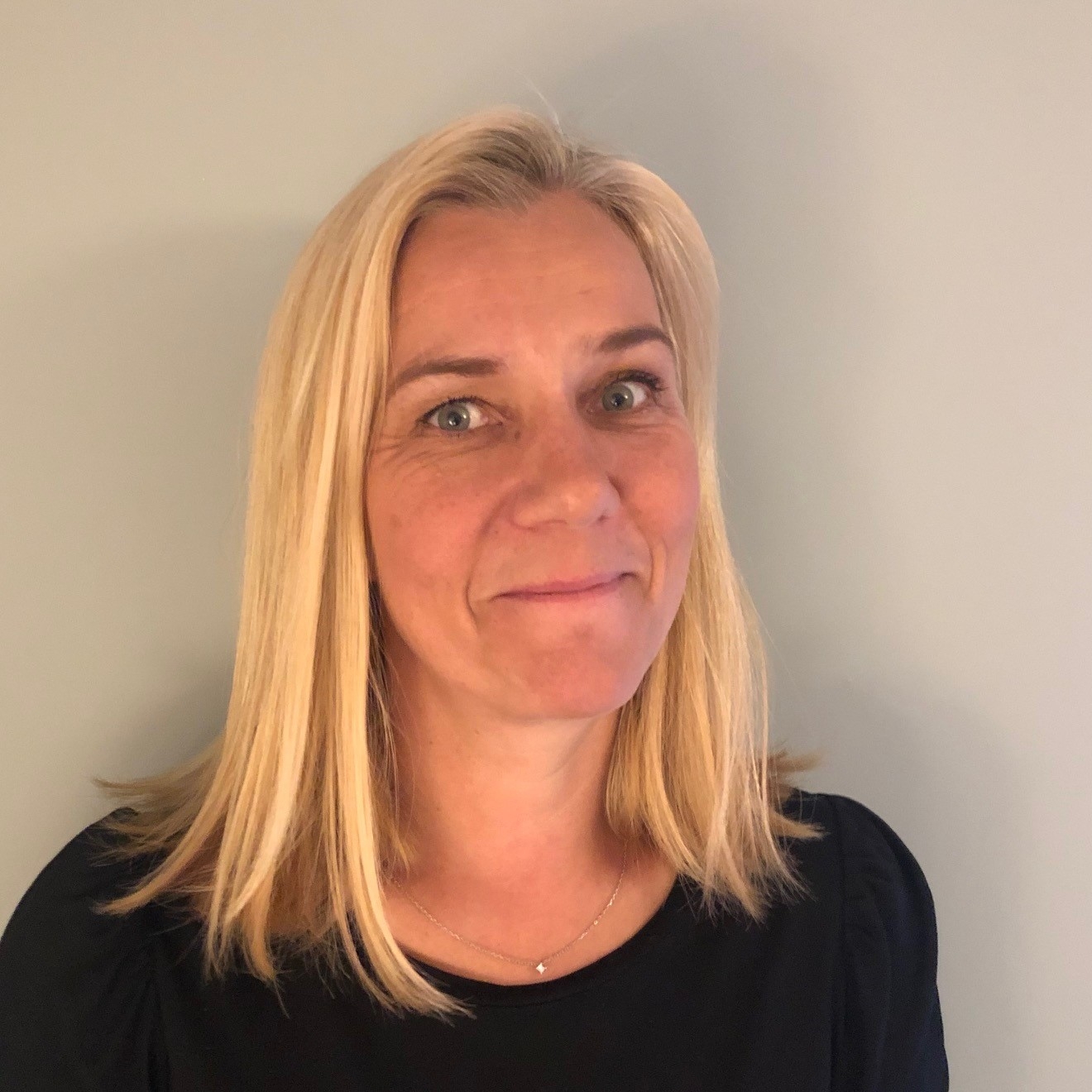
Tonje Thorvaldsen
Senior Consultant, Specialist in Internal Medicine and Cardiology, Karolinska University Hospital, Stockholm, Sweden
Senior Consultant, Specialist in Internal Medicine and Cardiology, Karolinska University Hospital, Stockholm, Sweden
Göran Dellgren
Professor and Consultant, Transplant Institute and Dept, Cardiothoracic Surgery, Sahlgrenska University Hospital, Gothenburg, Sweden. Representing ISHLT – International Society for Heart & Lung Transplantation
Professor and Consultant, Transplant Institute and Dept, Cardiothoracic Surgery, Sahlgrenska University Hospital, Gothenburg, Sweden. Representing ISHLT – International Society for Heart & Lung Transplantation
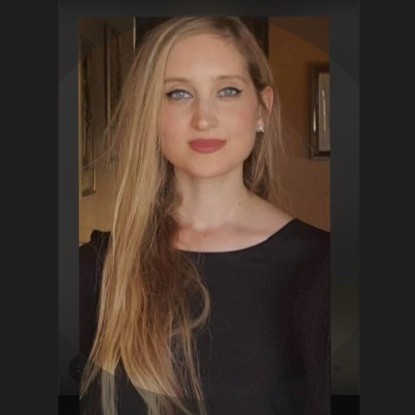
Alena Adarbehova
Former pharmacist with a history of health challenges, including 2 double lung transplants and Pulmonary arterial hypertension. Volunteer for Alliance for Pulmonary Hypertension (AfPH). Patient with ECP (Extracorporeal Photoferesis) experience
Former pharmacist with a history of health challenges, including 2 double lung transplants and Pulmonary arterial hypertension. Volunteer for Alliance for Pulmonary Hypertension (AfPH). Patient with ECP (Extracorporeal Photoferesis) experience
18:00 Keynote speaker - "To walk the talk?"
18:00 – Vasasalen
“To walk the talk?”
A conversation about transplants, sports, quality of life and some more…!
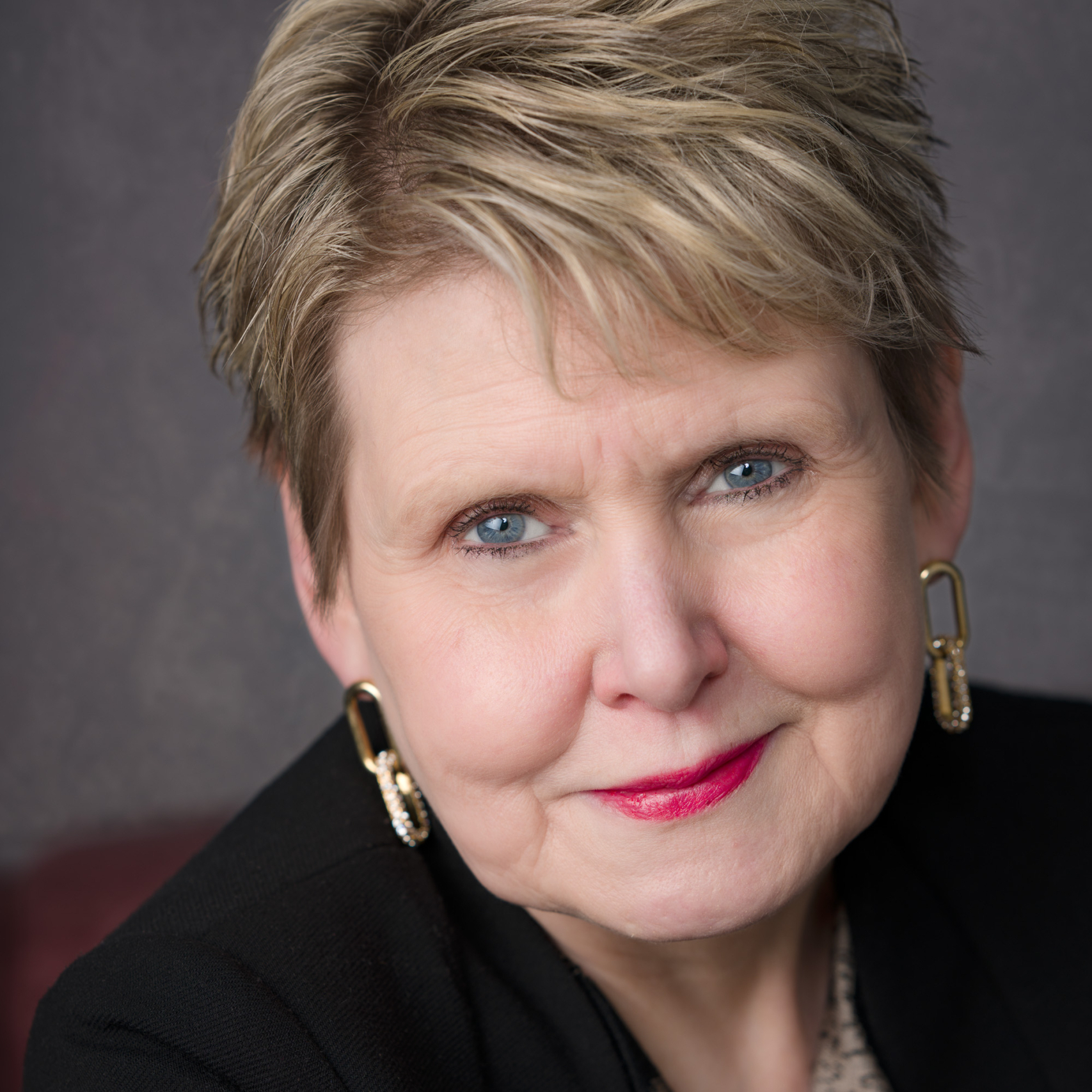
Penilla Gunther
Founder, FOKUS Patient & President, The National Association for Heart-Lung Transplanted Patients. Former Member of Parliament, Sweden.
Founder, FOKUS Patient & President, The National Association for Heart-Lung Transplanted Patients. Former Member of Parliament, Sweden.
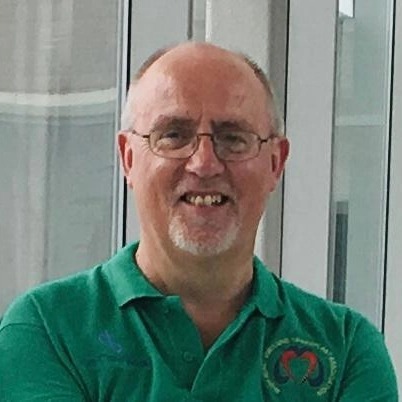
Robert McCutcheon
Deputy President & Treasurer, EHLTF – European Heart and Lung Transplant Federation, and President of the Irish Heart and Lung Transplant Association.
Deputy President & Treasurer, EHLTF – European Heart and Lung Transplant Federation, and President of the Irish Heart and Lung Transplant Association.
18:20 Closing remarks
18:20 – Vasasalen
Closing remarks.
Information about the Networking Event and the programme for day 2 of the Forum.
Mattias Hellström
FOKUS Patient & Citizens Affairs
FOKUS Patient & Citizens Affairs
18:30 Break
18:30
Break
19:00 Networking Event
19 – Second floor, Bar Aperitivo
FOKUS Patient Networking Event with food and drinks
FOKUS PATIENT
The digital and physical meeting place FOKUS Patient is an initiative and brand of Citizens Affairs AB. FOKUS Patient was founded in 2019 to gather and create networks between all stakeholders in healthcare and life science – with a patient perspective. We collaborate with all actors; patient and industry associations, pharmaceutical and medtech companies, authorities, academia and healthcare, and more.
If you want to know more, see our website www.fokuspatient.se
INFO
CONTACT
Sponsorship & practical issues:
e: mattias@citizensaffairs.se
p: +46704438951
Program and content:
e: penilla@citizensaffairs.se
t: +46708736344